Understanding Local Regulations: A Guide to Legal Compliance in Fencing May 23, 2026
When planning your fencing project, the first step is always research. Start by familiarizing yourself with zoning laws in your area. Zoning laws dictate where fences can be placed and often specify permissible fence heights, materials, and even styles. For example, some areas may require a permit for fences over a certain height, or they might restrict the use of sharp-topped pickets or barbed wire in residential areas. Checking with your local zoning office or visiting the municipality’s website can give you insight into these requirements.
Another essential consideration is your area's homeowners association (HOA) rules if you live in a community governed by one. HOAs often have their own set of guidelines that may be stricter than city ordinances, covering everything from fence design to color. Ignoring these guidelines could not only lead to fines but also require costly modifications or removals.
Setback requirements are another critical component when it comes to local regulations on fencing. Setbacks determine how far a fence must be set back from property lines, streets, or sidewalks. This ensures that utility companies have access to rights of way and maintain visibility for traffic and pedestrians. Your local building department can provide specific setback requirements for your neighborhood.
Before you break ground, it's vital to know what lies below the surface. Contacting your local utility companies to mark underground utilities is not only a safety precaution but often a legal requirement. Avoiding this step could result in severe injuries, service disruptions, or hefty fines. A quick call to 811 can prevent these issues by having local utility companies mark pipes and cables.
Legal compliance isn’t just about the letters of the law but also about maintaining good relationships with neighbors. Consider discussing your fencing plans with them beforehand. Open dialogue ensures that your project meets not only regulatory compliance but also maintains harmony in the community. It can also prevent disputes over boundary lines, which is often a common cause of disagreements.
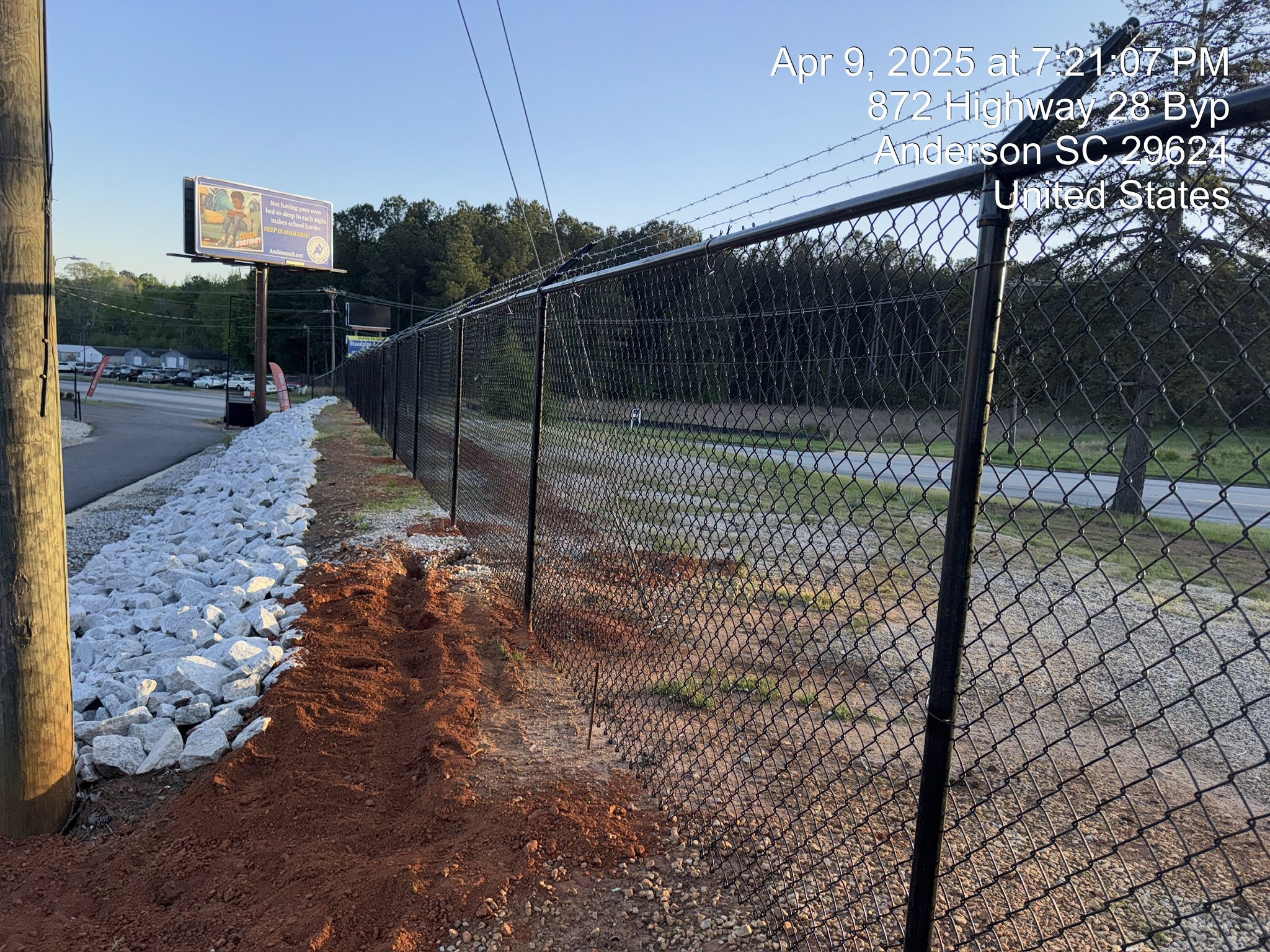
Once all these factors have been considered and approvals obtained, it’s time to install the fence. Ensuring that professional standards are met during installation is critical to compliance. At DR Solutions LLC, we have extensive experience in adhering to local regulations while delivering high-quality workmanship that enhances the value and appeal of your property.
In conclusion, understanding and adhering to local regulations in fencing is a blend of research, community engagement, and expert execution. By taking the time to learn about these requirements and ensuring compliance, you safeguard your investment and contribute positively to your neighborhood's appeal and safety. For more guidance on your fencing project, whether residential or commercial, DR Solutions LLC is here to help with expert advice and services tailored to meet your specific needs and local compliance requirements.
/filters:no_upscale()/filters:format(webp)/media/ef14043d-fb70-4fd2-b14c-4451cb1ab561.jpg)